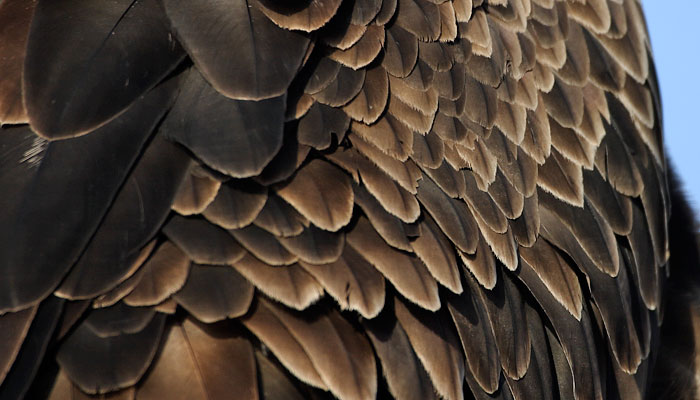
“all native, migratory birds — and there are more than 1,000 species on the list — are protected.”
The Migratory Bird Treaty Act
We all have done it, walking in the woods and something grabs your attention… A HAWK FEATHER and we run to pick it up, put it in our bag at take it home and show off your find.
Well we should all be locked up for good right or a least be fined up to $15,000 smack-a-roos because The Migratory Bird Treaty Act was instated in 1918, making it illegal to trap, kill, possess, sell or harass migratory birds, and the protection includes their eggs, nests and feathers without a waiver from the U.S. Fish and Wildlife Service.
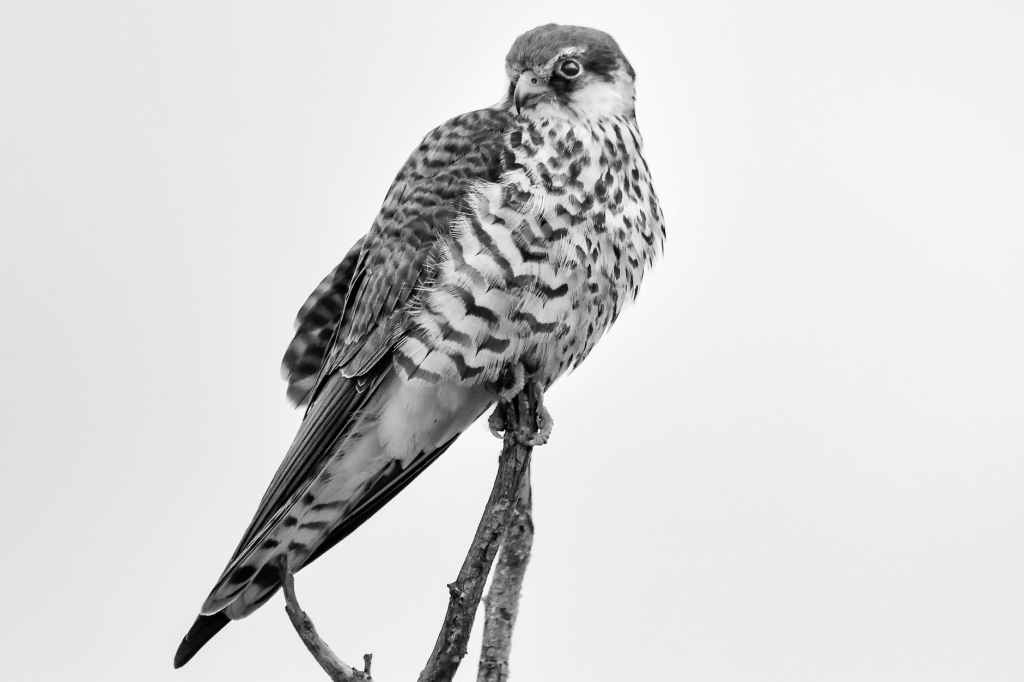
This treaty had its place and still does today. By the early 1900’s, many species were hunted to near extinction for their “high fashion”. As feathers found their way into hats and other fashion items, the commercial trade of migratory, predatory and native birds took its toll on bird populations.
Conservation of wildlife and natural habitats is a complex system of checks and balances and unfortunately there was a need for these laws and I for one am happy to follow these laws to help protect wildlife from further or future decline.
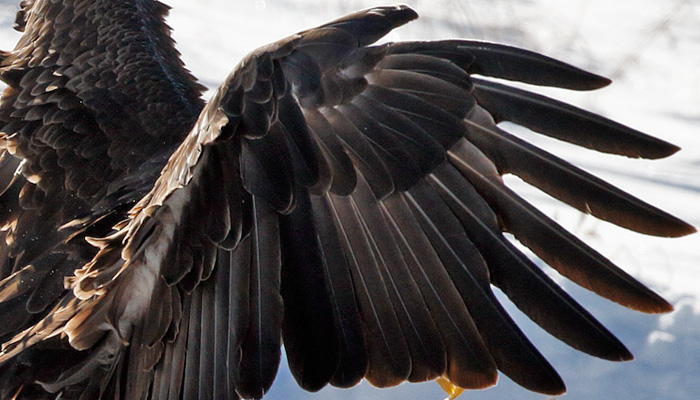
It may seem silly at this point in time to not be able to have a couple bird feathers kicking around, but this act has strong roots in modern day conservation efforts and is responsible for the recover of many native species across the Americas and beyond. Next time you see that bird feather laying on the ground, consider leaving it for nature to reclaim.

